Retinal: Benefits, Uses, Retinal vs Retinol, and a Complete Skincare Guide
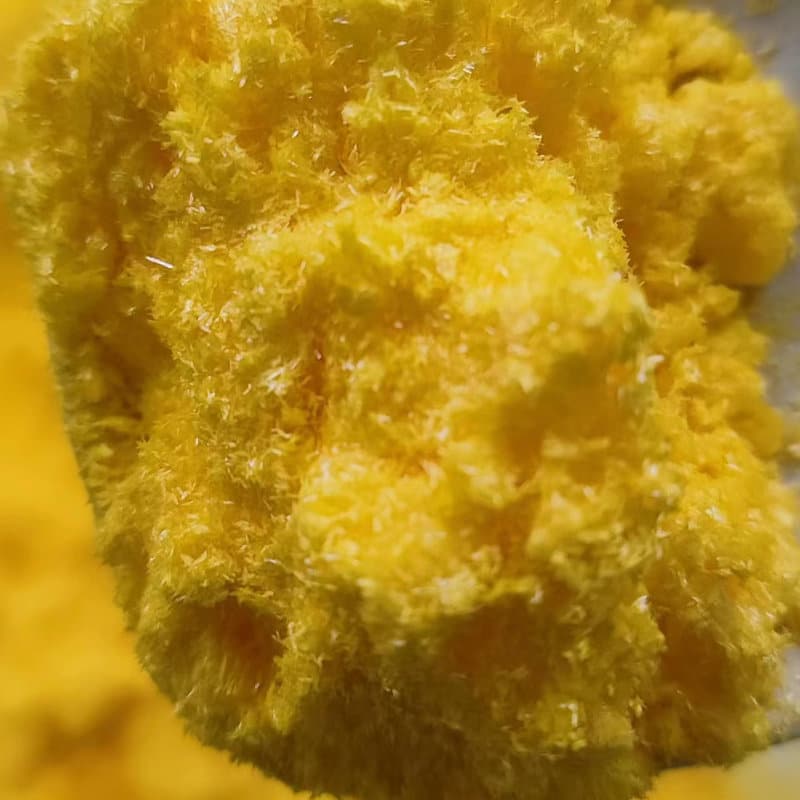
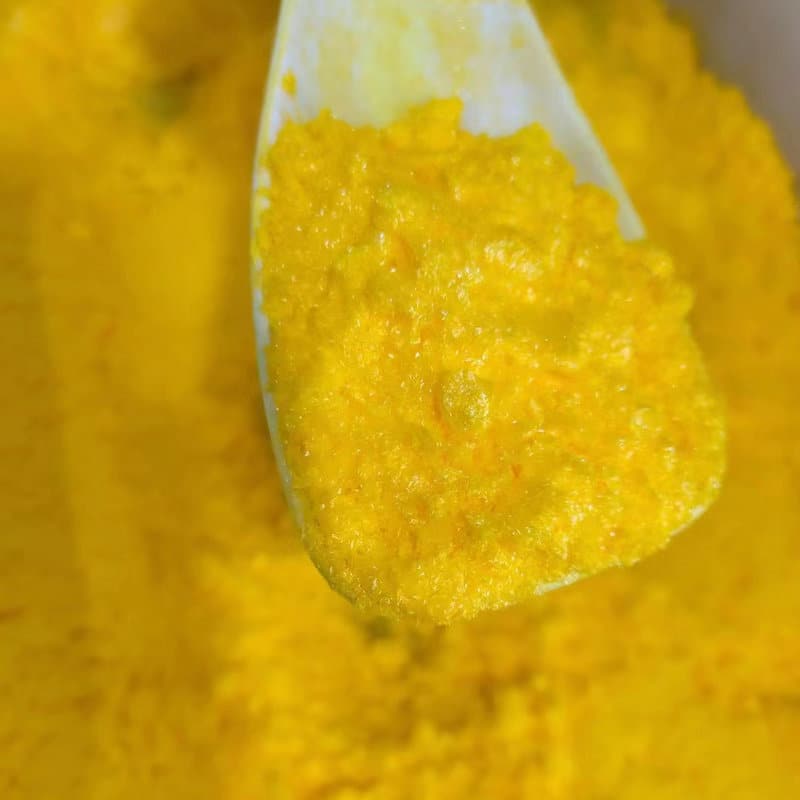
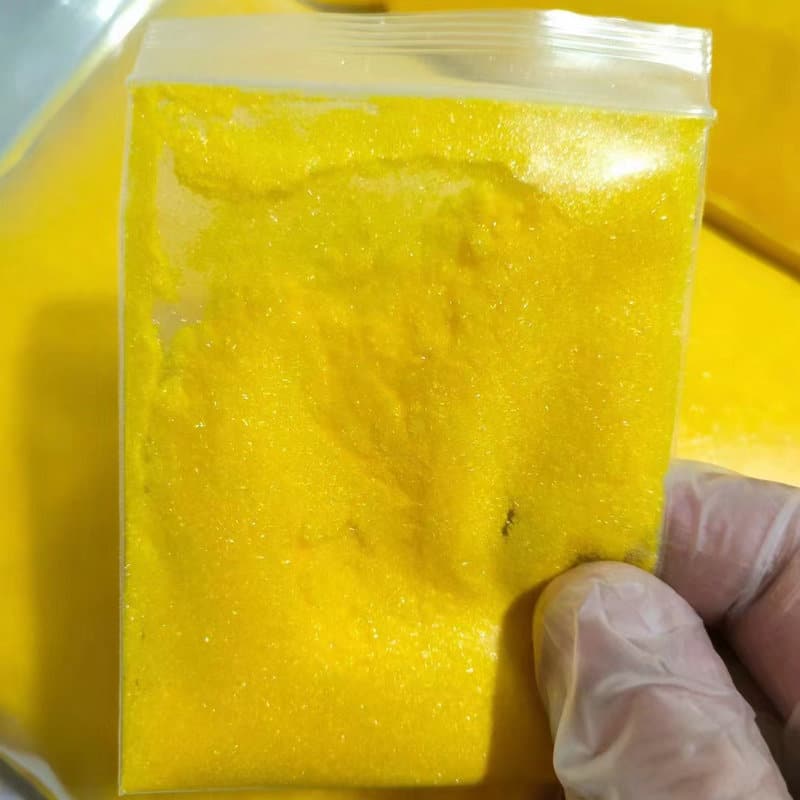
Retinal, also known as Retinaldehyde, is a vitamin A derivative increasingly used in skincare formulations for improving the appearance of fine lines, wrinkles, uneven skin texture, and signs of photoaging. It belongs to the retinoid family and is chemically distinct from Retinol and Retinoic Acid.
One reason Retinal attracts attention is its position in the vitamin A conversion pathway. Retinal requires one oxidation step to become Retinoic Acid, whereas Retinol must first be converted into Retinal. However, the effectiveness of a finished skincare product also depends on its formulation, concentration, stability, and individual skin tolerance.
This guide explains what Retinal is, how it works, its scientifically studied benefits, how it compares with Retinol, and what cosmetic manufacturers should consider when selecting Retinal raw materials.
1. What Is Retinal?
Retinal is an aldehyde form of vitamin A, commonly called Retinaldehyde. In skincare, it is used as a cosmetic ingredient in certain serums, creams, and other topical formulations designed to improve the appearance of aging or photodamaged skin.
Retinal also has important biological functions in the human visual system, where specific isomers participate in light detection. However, in the cosmetic industry, the term Retinal generally refers to Retinaldehyde used in topical skincare products.
Retinal Chemical Information
| Property | Information |
|---|---|
| Ingredient Name | Retinal |
| Common Name | Retinaldehyde |
| Common Synonyms | All-trans-Retinal, trans-Retinal, Vitamin A Aldehyde |
| CAS Number | 116-31-4 (all-trans-Retinal) |
| Molecular Formula | C20H28O |
| Molecular Weight | 284.44 g/mol (approximately) |
| Ingredient Family | Retinoids / Vitamin A Derivatives |
| Cosmetic Function | Skin-conditioning ingredient |
| Water Solubility | Very low; formulation compatibility must be assessed |
| Stability Considerations | Sensitive to light, oxygen, and environmental conditions |
These identifiers refer specifically to the all-trans form of Retinal. Chemical identity should always be confirmed against the supplier's technical documentation and analytical results.
2. How Does Retinal Work on the Skin?
Retinal acts as a precursor to Retinoic Acid, a biologically active retinoid involved in regulating skin-cell differentiation and other retinoid-responsive processes.
The commonly described vitamin A conversion pathway is:
Retinol → Retinal (Retinaldehyde) → Retinoic Acid
Retinol undergoes oxidation to form Retinal, which can then be oxidized to Retinoic Acid. Retinal therefore occupies a position one conversion step closer to Retinoic Acid than Retinol.
This chemical difference is important, but it should not be interpreted as proof that every Retinal product is more effective than every Retinol product. The amount of Retinoic Acid generated in skin is biologically regulated, and the clinical performance of a formulation depends on multiple factors.
Research into topical Retinaldehyde has investigated its effects on photoaged skin, including skin texture, wrinkles, hydration, and tolerability.
3. What Are the Benefits of Retinal for Skin?
3.1 Helps Improve the Appearance of Fine Lines and Wrinkles
One of the most studied applications of Retinal is the improvement of visible signs of skin aging. Retinoids influence cellular processes associated with epidermal renewal and skin structure.
A randomized, double-blind controlled trial published in the Journal of Cosmetic Dermatology evaluated creams containing 0.05% and 0.1% Retinaldehyde in 40 women over three months. Both formulations improved measured skin texture and hydration, and both were reported to be well tolerated.
The study did not establish that the higher concentration was consistently superior across all measured outcomes.
3.2 Supports Smoother-Looking Skin Texture
Uneven texture can result from factors such as photodamage, age-related changes, and irregular surface appearance. Retinal-containing products may help improve the appearance of skin roughness when used consistently in a well-designed formula.
Clinical investigations have reported improvements in skin surface characteristics following topical Retinaldehyde use. Results vary according to formulation, concentration, duration, and individual factors.
3.3 May Improve Uneven Skin Tone
Retinoid-responsive pathways are associated with epidermal renewal, which may contribute to improvements in uneven-looking skin tone.
In the three-month clinical trial of 0.05% and 0.1% Retinaldehyde creams, the 0.1% group showed a statistically significant improvement in the measured melanin index. The 0.05% group did not show the same statistically significant result for that outcome.
These findings are promising but should not be interpreted as a guarantee that Retinal will eliminate hyperpigmentation or dark spots.
3.4 Potential Benefits for Blemish-Prone Skin
Retinoids are widely used in approaches to managing acne and abnormal follicular keratinization. Retinal has also been investigated in formulations for blemish-prone skin.
For example, a small pilot study evaluated a 0.05% Retinaldehyde-loaded niosome nanoemulsion in participants with mild-to-moderate acne.
However, evidence for Retinal in acne treatment is less extensive than that for established acne medications such as adapalene and tretinoin. A cosmetic Retinal formulation should not automatically be presented as a clinically proven acne treatment.
4. Retinal vs Retinol: What Is the Difference?
Retinal and Retinol are both vitamin A derivatives, but they are different chemical compounds. Understanding their differences helps consumers select skincare products and enables formulators to choose suitable ingredients.
| Comparison | Retinal | Retinol |
|---|---|---|
| Chemical Form | Aldehyde | Alcohol |
| CAS Number | 116-31-4 (all-trans) | 68-26-8 (all-trans) |
| Molecular Formula | C20H28O | C20H30O |
| Conversion to Retinoic Acid | One oxidation step | Two oxidation steps |
| Clinical Evidence | Supports certain photoaging benefits | Studied in cosmetic anti-aging applications |
| Potential Irritation | May cause dryness, redness, or peeling | May cause dryness, redness, or peeling |
| Formulation Challenges | Stability and compatibility require attention | Stability and compatibility require attention |
Is Retinal Stronger Than Retinol?
Retinal is often described as a more direct precursor to Retinoic Acid because it requires one fewer conversion step than Retinol. This is a chemical distinction, not a universal measure of clinical strength.
A higher percentage of Retinal does not automatically produce better results, and concentrations of Retinal and Retinol cannot be compared through a simple universal potency ratio.
Which Is Better: Retinal or Retinol?
Neither ingredient is universally better for everyone.
Retinol: May be suitable for consumers seeking a familiar vitamin A ingredient with a wide range of available formulations.
Retinal: May appeal to consumers interested in an alternative retinoid with clinical evidence for certain photoaging outcomes.
Sensitive skin: Product tolerability, formulation, frequency of use, and moisturizer compatibility are particularly important.
The best choice depends on individual skin response rather than conversion steps alone.
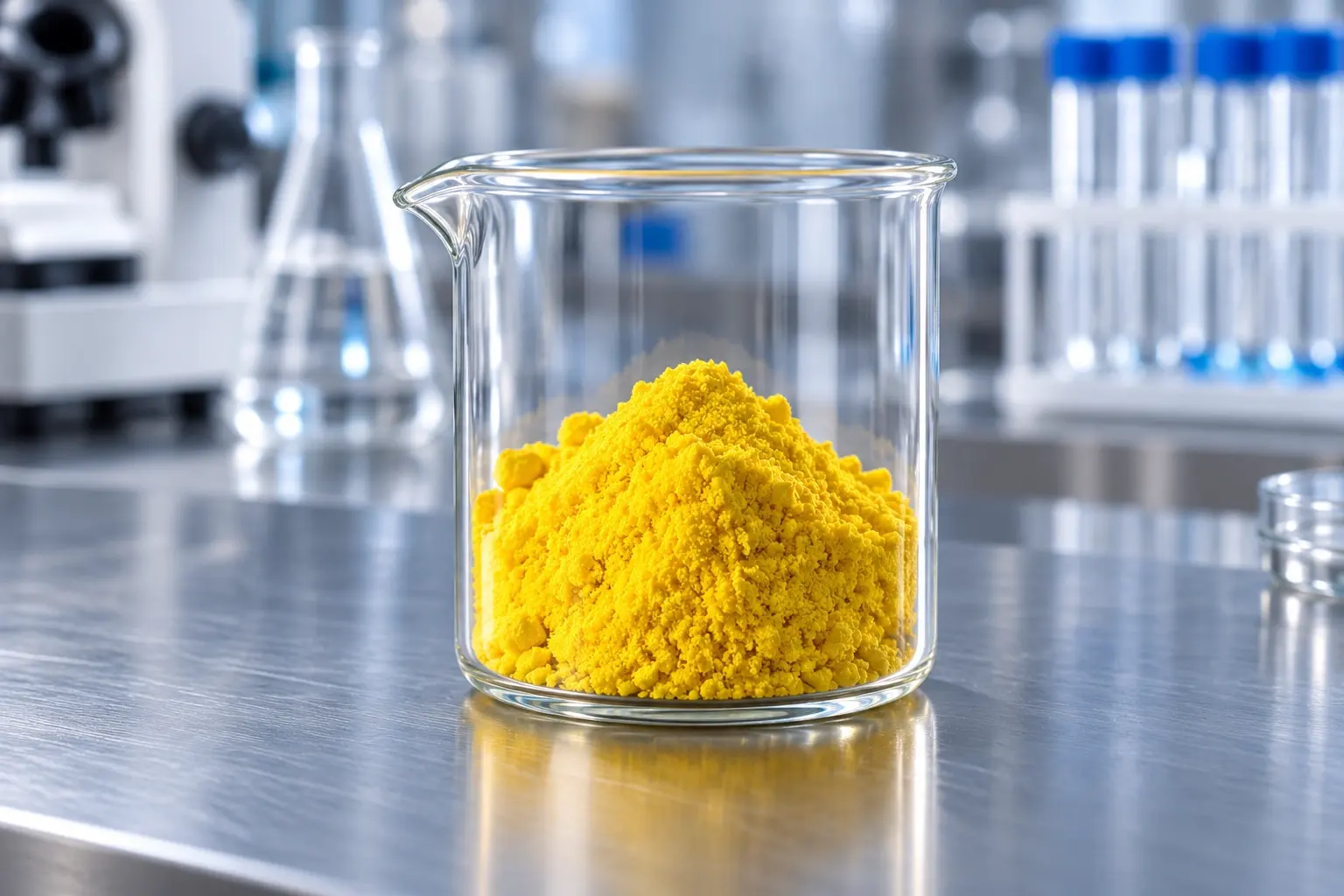
5. How to Use Retinal in a Skincare Routine
Retinal-containing skincare products should be used according to the manufacturer's instructions. New users can reduce the risk of irritation by introducing retinoids gradually.
A Simple Evening Skincare Routine
Cleanse: Wash the face using a gentle cleanser.
Dry the skin: Allow the skin to dry before applying the product, particularly if irritation is a concern.
Apply Retinal: Use the amount recommended on the finished product label.
Moisturize: Apply a suitable moisturizer to support the skin barrier.
Use daytime sun protection: Apply broad-spectrum sunscreen as part of a consistent sun-protection routine.
For people beginning a retinoid routine, starting with approximately two or three evenings per week may be more tolerable than immediate daily use. Application frequency can be adjusted according to the product instructions and skin response.
Can Retinal Be Used Every Day?
Some people can tolerate daily use after gradually introducing a Retinal formulation. Others experience irritation and may require less frequent application.
If persistent redness, burning, or significant peeling develops, reduce or discontinue use and seek guidance from a qualified healthcare professional.
What Concentration of Retinal Should You Use?
Published research has examined finished formulations containing 0.05% and 0.1% Retinaldehyde. These concentrations are study examples, not universal recommendations for all products or skin types.
The appropriate concentration depends on formulation design, product testing, intended users, and the applicable cosmetic regulations.
6. How Long Does Retinal Take to Work?
Visible improvements from retinoid skincare are generally gradual, and consistent use is important.
In a published three-month clinical investigation, participants using Retinaldehyde creams experienced measurable improvements in specific skin characteristics during the study period.
However, a precise timeline cannot be guaranteed. Results vary with product concentration, formulation, skin condition, application consistency, and sun exposure.
Consumers evaluating an anti-aging product should generally assess progress over a sustained period rather than expecting immediate visible changes.
7. Does Retinal Have Side Effects?
Like other topical retinoids, Retinal can produce adverse skin reactions, particularly during the early stages of use.
Potential reactions include:
Redness and irritation
Dryness or skin tightness
Peeling or flaking
Burning or stinging sensations
Increased discomfort when combined with other irritating skincare products
Actual tolerability depends on the complete product formulation and individual skin sensitivity.
Who Should Avoid Retinal?
Retinoid-containing skincare products should be avoided during pregnancy. People who are pregnant or planning pregnancy should consult their healthcare professional before using products containing vitamin A derivatives.
Anyone with significantly irritated or compromised skin should exercise caution. People undergoing dermatological treatment should discuss retinoid use with their dermatologist.
Those who are breastfeeding should seek individualized medical advice before using Retinal.
8. Retinal in Cosmetic Formulations
Retinal is of interest to cosmetic formulators because it combines retinoid-related biological activity with potential applications in anti-aging skincare.
However, incorporating Retinal into a commercially viable cosmetic formulation requires attention to ingredient stability, processing, packaging, and compatibility.
8.1 Retinal Solubility
Retinal is a lipophilic compound with very low water solubility. Its behavior in a cosmetic system depends on the solvent composition and other formulation ingredients.
Formulators should evaluate solubility and compatibility under the actual processing conditions instead of assuming that the ingredient will dissolve uniformly in every oil or solvent.
8.2 Retinal Stability
Retinal contains a conjugated polyene structure that can undergo degradation and isomerization under unfavorable environmental conditions.
Exposure to light, oxygen, and heat can affect retinoid stability. Suitable protective measures may include controlled processing, appropriate packaging, and storage conditions supported by supplier documentation.
Accelerated and real-time stability testing should be performed on the finished formulation, since raw-material stability does not guarantee finished-product stability.
8.3 Encapsulated Retinal
Encapsulation and carrier-based delivery systems are investigated as potential approaches for improving retinoid handling, dispersion, and formulation performance.
Nevertheless, the benefits of an encapsulated Retinal product must be demonstrated using data specific to that delivery system. Encapsulation alone does not prove superior efficacy, penetration, or tolerability.
8.4 Packaging Considerations
Manufacturers may consider opaque or light-protective packaging, suitable air exposure controls, and compatible container materials.
Packaging decisions should be validated through product-specific stability and compatibility testing.
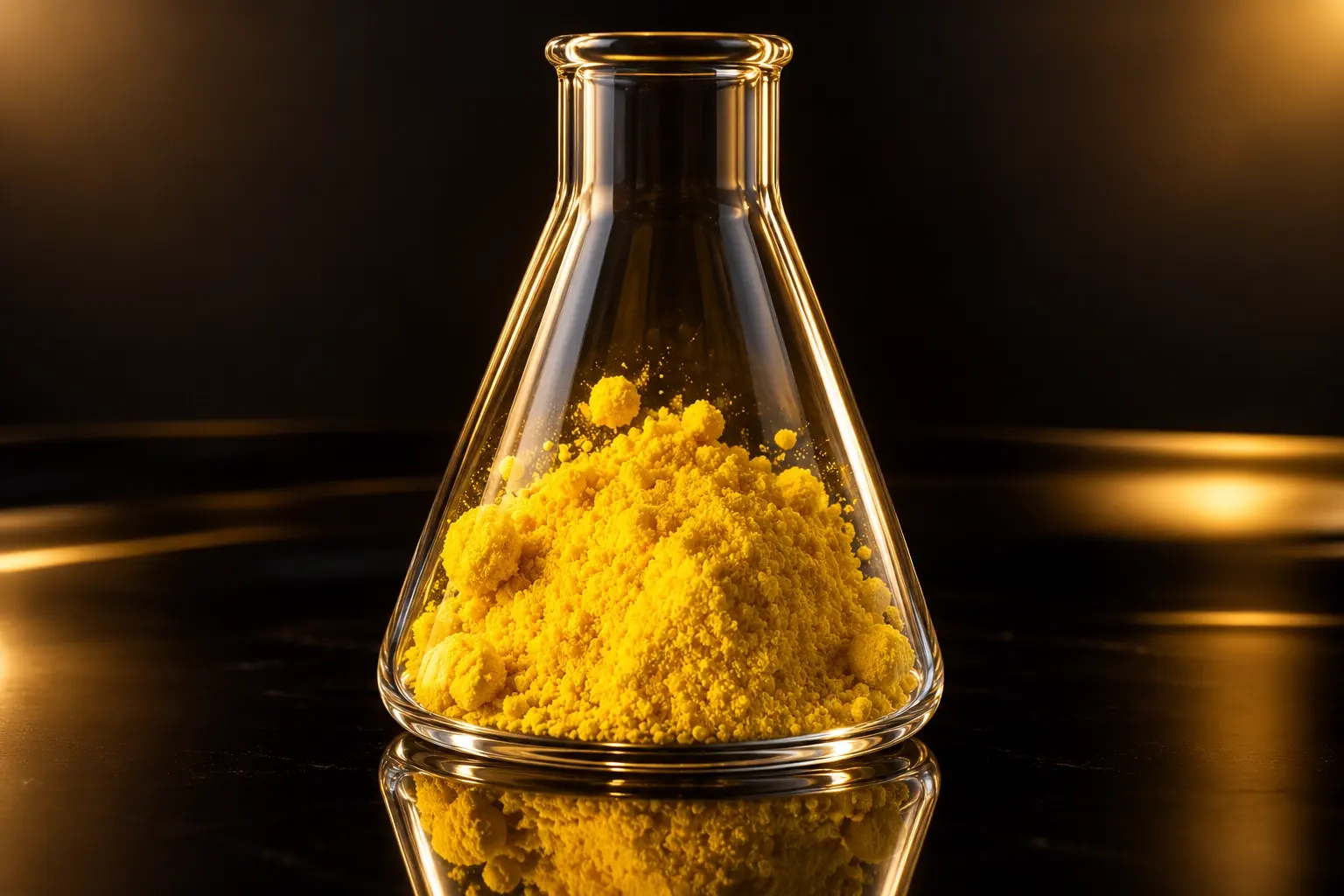
9. How to Choose a Reliable Retinal Raw Material Supplier
For cosmetic manufacturers, choosing a Retinal supplier requires more than comparing prices or nominal purity specifications.
Ingredient buyers should assess the supplier's quality documentation, analytical methods, batch consistency, packaging, and storage recommendations.
Important Supplier Evaluation Criteria
Identity: Confirm the ingredient name, CAS number, and relevant isomer identity.
Purity: Review the actual batch assay or purity results and the analytical method used.
Certificate of Analysis (COA): Request documentation corresponding to the supplied batch.
Safety Data Sheet (SDS): Review handling hazards and precautionary requirements.
Technical Data Sheet (TDS): Examine available technical properties and recommended handling conditions.
Storage and Transport: Confirm the supplier's validated recommendations for protection from heat, light, and oxygen.
Formulation Support: Ask for appropriate compatibility and stability information where available.
When evaluating a high-purity Retinal raw material, manufacturers should also verify whether the reported analytical value represents an assay, chromatographic area percentage, or another measurement. Different methods may provide different kinds of information and should not automatically be considered interchangeable.
10. Frequently Asked Questions About Retinal
Is Retinal the Same as Retinaldehyde?
Yes. Retinal and Retinaldehyde are commonly used as alternative names for the aldehyde form of vitamin A. When purchasing raw materials, buyers should verify the exact chemical identity and isomer specified by the supplier.
Is Retinal the Same as Retinol?
No. Retinal is an aldehyde, while Retinol is an alcohol. They have different molecular formulas and occupy different positions in the vitamin A metabolic pathway.
What Is the CAS Number of Retinal?
The CAS number commonly used for all-trans-Retinal is 116-31-4. Other retinal isomers may have different identifiers.
Is Retinal Good for Wrinkles?
Clinical research supports the use of certain topical Retinaldehyde formulations for improving measured characteristics of photoaged skin, including skin texture and some wrinkle-related outcomes. Results depend on the particular product and individual response.
Can Retinal Help With Acne?
Retinal has been investigated in acne-related formulations, but its clinical evidence base is more limited than that of established acne medications. Consumers with persistent acne should seek advice from a dermatologist.
Can Retinal Be Combined With Niacinamide?
Retinal and Niacinamide can be present in a skincare routine, provided the finished products are compatible and well tolerated. The safety and performance of a combined formulation must be evaluated as a complete product.
Is Retinal Safe for Sensitive Skin?
Some individuals with sensitive skin may tolerate appropriately formulated Retinal products, but others may develop dryness, redness, or irritation. Gradual introduction and attention to the skin barrier are important.
Is Retinal Suitable for Daytime Use?
Retinal products are commonly recommended for evening use. Follow the product instructions and maintain suitable daytime sun protection.
How Should Retinal Raw Material Be Stored?
Retinal should be protected against conditions that can promote degradation, particularly inappropriate exposure to heat, light, and oxygen. Specific temperatures, container requirements, and shelf life should follow the supplier's validated product documentation.
11. Conclusion: Is Retinal Worth Considering?
Retinal is a vitamin A derivative with meaningful scientific interest in cosmetic skincare. Clinical studies have demonstrated benefits for certain measures of photoaged skin, while its chemical structure distinguishes it from Retinol.
For consumers, the main considerations are choosing a suitable finished formulation, introducing it gradually, monitoring tolerance, and maintaining sun protection.
For cosmetic brands and manufacturers, the priorities include accurate raw-material identification, reliable analytical documentation, formulation stability, and consistent ingredient quality.
Understanding these factors helps both skincare users and professional buyers make informed decisions about Retinal-containing products.
12. Scientific References
PubChem. Retinal, CID 638015. Chemical identification, molecular formula, and properties. PubChem Retinal.
Kwon HS, et al. Efficacy and safety of retinaldehyde 0.1% and 0.05% creams used to treat photoaged skin: A randomized double-blind controlled trial. Journal of Cosmetic Dermatology. 2018;17:471-476. PubMed.
Creidi P, Humbert P. Clinical use of topical retinaldehyde on photoaged skin. Dermatology. 1999;199(Suppl 1):49-52. PubMed.
Use of Retinoids in Topical Antiaging Treatments: A Focused Review of Clinical Evidence for Conventional and Nanoformulations. Full scientific review.
American Academy of Dermatology. Retinoid or Retinol? Dermatology guidance.
Disclaimer: This article provides general cosmetic ingredient information and is not intended as medical advice. The safety, efficacy, and regulatory compliance of any finished cosmetic product must be assessed independently.